


Add products to it to start ordering :)
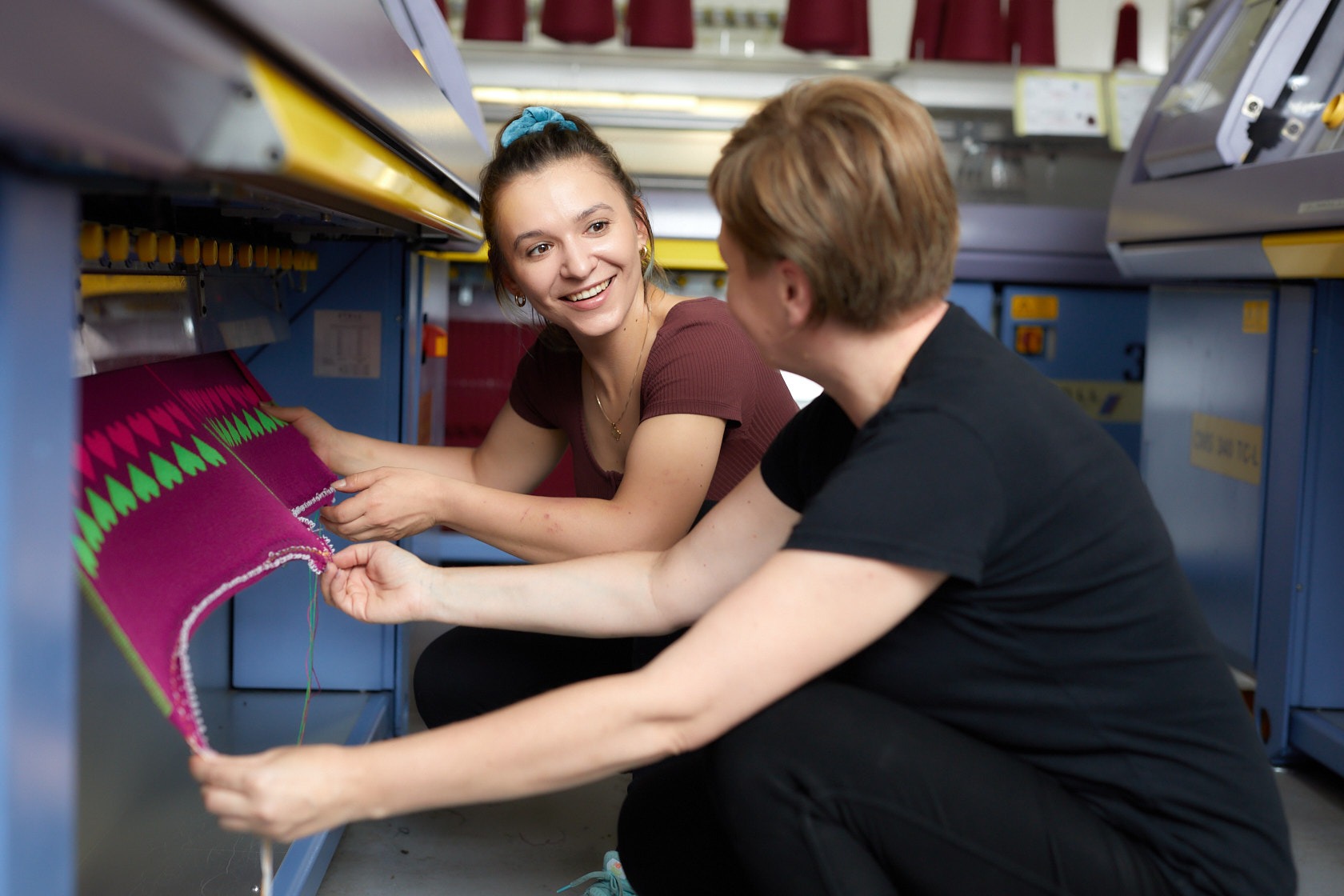
When planning the production of winter accessories such as hats, scarves, or gloves, it's crucial to precisely determine the lead times. Whether you're planning to create your own collection of winter headwear or order beanies as Christmas gifts for your employees, knowing the optimal time to place an order can help avoid delays.
Proper scheduling is key for both fashion brands and companies looking for corporate gifts. The production of winter headwear involves multiple stages that need to be carefully synchronized—from ordering components to the final delivery of products. That’s why understanding the production timeline and factors influencing lead time is essential.
One of the primary factors affecting lead time is seasonality. For winter accessories, the busiest period is the pre-winter season, from September to December. During this time, manufacturers are often overloaded with orders, which can extend the standard production time. That’s why it’s crucial to plan ahead.
It is recommended to place orders for winter collections as early as spring. Why? During this period, manufacturers typically have more flexibility in production, which allows for smoother operations and shorter lead times. Additionally, by planning early, you can avoid the risk of seasonal delays caused by an influx of orders leading up to winter.
Every fashion project, especially one involving larger-scale production, requires meticulous planning during the design phase. Prototyping is a key stage that helps to avoid mistakes in the final production and ensures that every detail of the product meets your expectations.
Creating a prototype means developing the first model of the beanie or other winter headwear. It allows you to assess the quality of materials, the finishing, and the fitting of details like embroidery, patches, or color schemes. A prototype provides an opportunity to make adjustments before mass production begins, which reduces the risk of errors.
The production of a prototype can take between 1 to 3 weeks, depending on the complexity of the design and the availability of materials. Therefore, it's important to factor in this step when scheduling production, especially if you want to ensure the product meets your high standards. Prototypes are particularly important for custom orders where logos, special patterns, or bespoke elements must be accurately checked before full-scale production.
The production of winter accessories requires not only the right technology but also the availability of materials. Components such as yarns, labels, or additional elements (like pom-poms) need to be ordered and delivered on time to avoid delays. The availability of materials can significantly impact the lead time, especially for specialized items like merino wool or organic cotton.
If your project involves unique materials, it may take additional time to source these components, which could extend the overall production process. It’s a good idea to discuss these factors with the manufacturer during the planning phase to adjust your order timeline based on the availability of materials.
Minimum Order Quantities (MOQs) also influence the production lead time. For smaller orders, such as several dozen pieces, production may be completed faster, whereas larger batches can take longer. Standard MOQs for producing winter caps usually start at 100 pieces during the high season.
Increasing the order quantity can extend production time, especially during peak periods of demand. Therefore, before deciding on the size of your order, it's wise to assess your needs and carefully plan the lead times to avoid unexpected delays.
Personalizing products such as beanies, scarves, or gloves can have a significant impact on the order's lead time. The customization process, such as adding logos or special elements, requires additional time—especially if you opt for more advanced branding techniques like embroidery, laser-engraved eco-leather patches, or jacquard labels.
Depending on the complexity of the project, the lead time for a custom order can range from 6 to 10 weeks, so it’s essential to plan for customization early in the process. More intricate forms of customization, such as embroidered logos or jacquard labels, may require additional testing to ensure the final product meets your expectations.
To ensure your order is completed on time, follow these key steps:
Placing orders for winter headwear production as early as spring is the best strategy to guarantee timely delivery before the winter season. Spring production planning allows for greater flexibility and avoids delays caused by the influx of orders leading up to winter.
By placing your order in spring or early summer, manufacturers can better adjust their production schedule to meet your needs, resulting in better control over the entire process. Early orders also offer the potential for more favorable pricing conditions, especially for larger quantities.
Planning the production of winter garment accessories requires precision and an understanding of production lead times. Seasonality, the availability of materials, the order quantity, and the need for prototypes are all key factors that can influence delivery schedules.
Orders placed during the high season may face longer lead times, so it’s always best to plan your production as early as spring to avoid delays and ensure your winter accessories hit the market or reach your employees on time.
 English
  Polski
 English
 PLN zł

